
 Tiếng Việt



The Optimscan 5M 3D scanner. Manufacturer: Shining 3D. Technology: Germany. Factory: China. Main products: about 12 lines of 3D scanners and many 3D printers, including metal 3D printers.
The Optimscan 5M 3D scanner.
The Optimscan line comes in two versions: 3MP x 2 cameras and 5MP x 2 cameras.

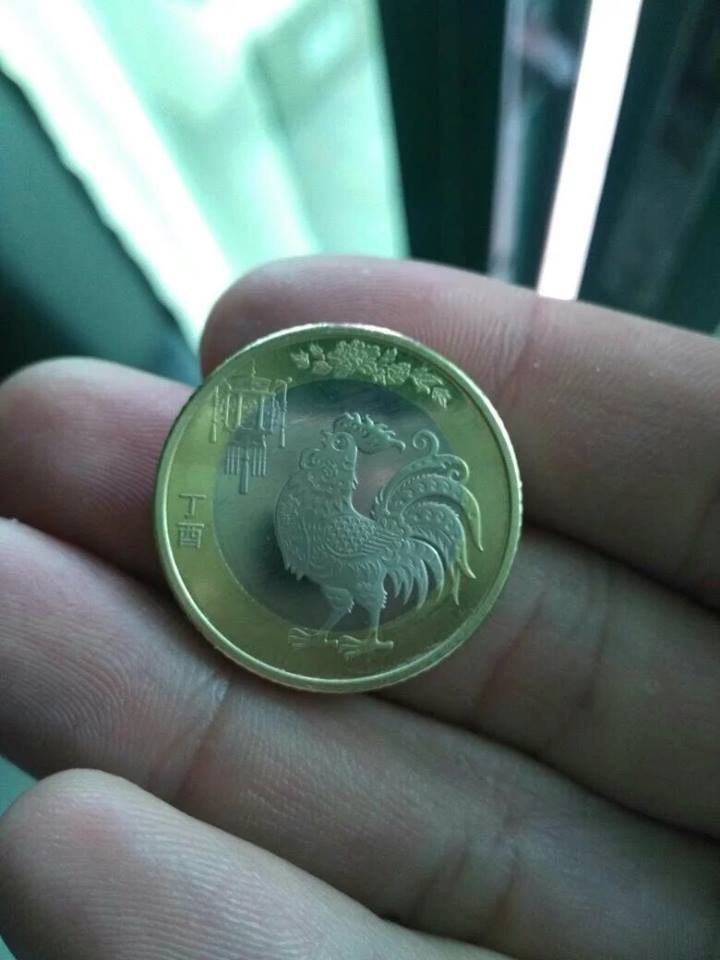
Its high resolution lets the Optimscan 5M capture the tiny details on a coin.
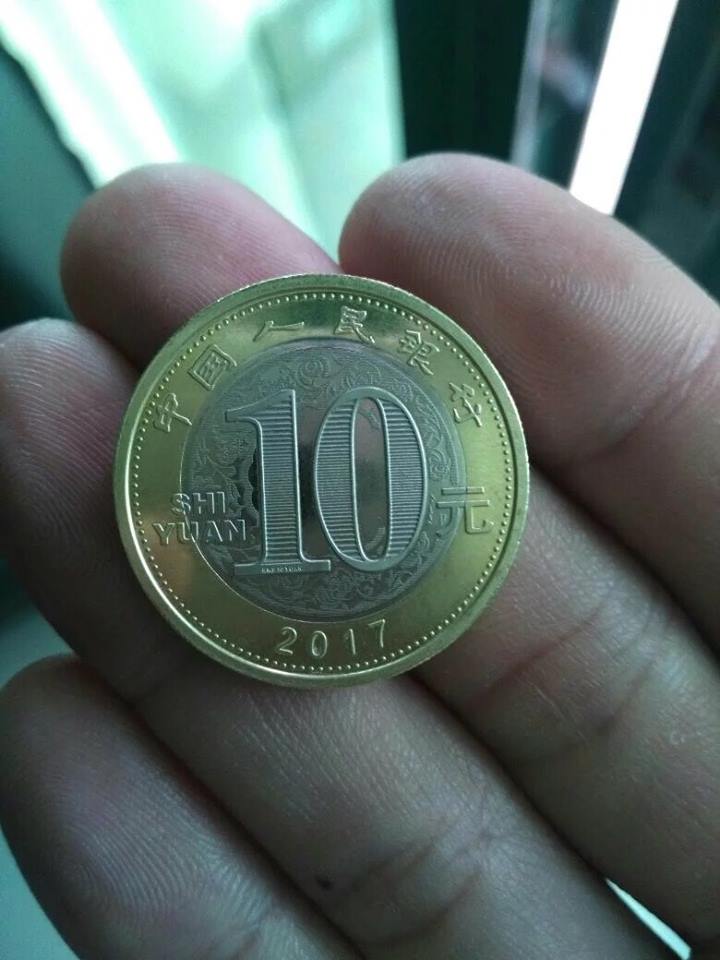

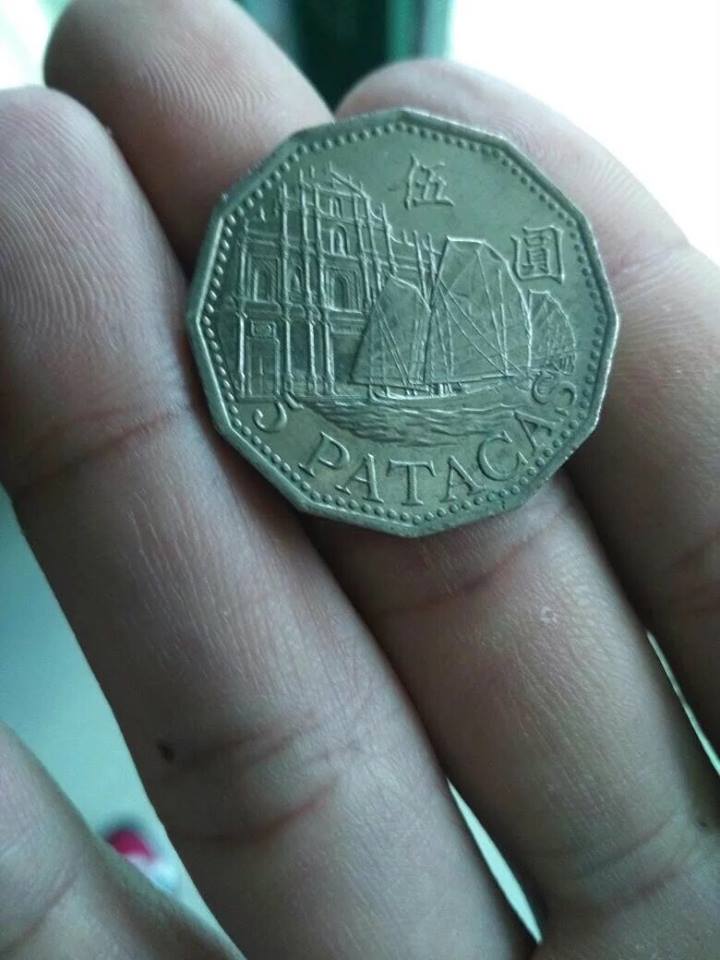
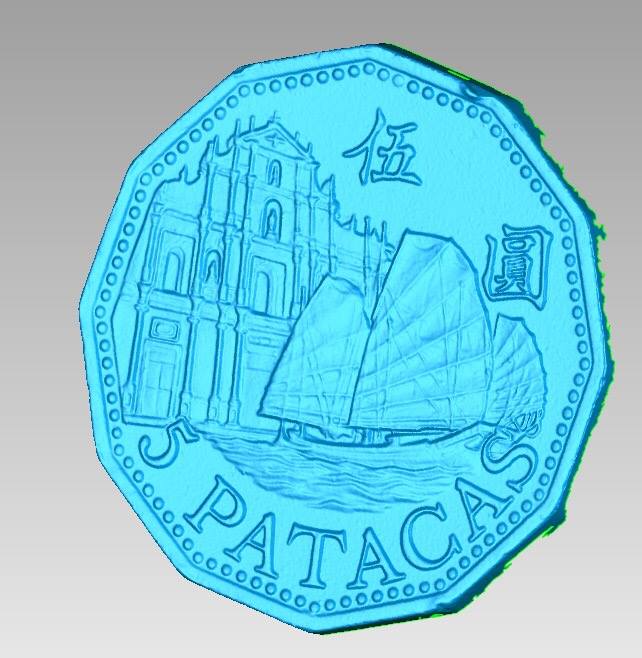

Strengths of the Optimscan 5M 3D scanner:
- Three interchangeable lens sets: scan tiny objects at ultra-high resolution, or quickly scan larger products such as shoe lasts.
- High accuracy.
- Low price.
Applications of the Optimscan 5M 3D scanner:
- 3D scanning of everyday products: wood, statues…
- Scanning mechanical parts, molds, plastic parts, toy cars, motorbikes…
- 3D inspection.
Other Shining 3D scanners:
- Einscan SP. || Desktop 3D scanner, ~0.05 mm.
- Einscan Pro. || Multi-purpose 3D scanner: handheld, tripod, automatic, ~0.05 mm.
- Einscan Pro Plus. || High-speed multi-purpose 3D scanner: handheld, tripod, automatic, ~0.05 mm.
- Free scan X3. || Handheld 3D scanner.
- Free scan X5 || Handheld 3D scanner.
- Free scan X7 || Handheld 3D scanner.
- Eascan D. || 3D scanner for reverse engineering, ~0.015 mm
Contact CT3D Group
CT3D Group – professional 3D printing, 3D scanning, design and rapid prototyping services nationwide.
- CT3D Thu Duc – Ho Chi Minh City, Hanoi, Hai Phong: in3d.edu.vn – Hotline 0975 008 728 (Mr. Thai)
- CT3D District 6 – Ho Chi Minh City: 3dmaker.vn – Hotline 038 7798308 (Mr. Phuc)
Structured light desktop 3D scanners: how they work and where they shine
A two-camera desktop 3D scanner like the Optimscan works on the structured light principle. The projector casts a series of light patterns onto the object, and two cameras record how the patterns bend over the surface. The software then calculates the coordinates of millions of points in just a few seconds per shot. The object is turned on a turntable or repositioned several times to capture every side.
- High resolution: multi-megapixel cameras capture small details such as coin patterns, raised lettering and surface texture.
- Stability: the scanner sits on a fixed stand, so there’s almost no error from hand shake.
- Adjustable scan area: some models let you swap lens sets to switch between scanning very small details and larger objects.
Desktop vs. handheld 3D scanners
| Criteria | Desktop (fixed) | Handheld |
|---|---|---|
| Level of detail | Usually higher, good for small, intricate parts | Good, but usually lower on tiny details |
| Object size | Small to medium | Medium to very large |
| Mobility | The object has to come to the scanner | The scanner goes to the site |
| Operation | Automatic with a turntable, less dependent on skill | Needs an operator experienced in moving the scanner |
| Typical uses | Jewelry, coins, small plastic parts, shoe lasts | Car bodies, large statues, furniture |
Tips for high-accuracy scanning
Calibrate the scanner on schedule, especially after changing lenses or moving it. Put it on a solid table, away from vibration and direct light on the scan area. For shiny or transparent objects, apply a thin matte spray so the scanner picks up a good signal. If you only need to digitize a few small parts that require high detail, you can hire a high-resolution 3D scanning service instead of buying your own equipment.
Frequently asked questions
What objects are desktop 3D scanners best for?
Desktop scanners work best on small and medium objects that need high detail, such as jewelry, coins, plastic parts, dental models or shoe lasts. Objects much larger than the scan area have to be scanned in several passes and merged, which takes longer than with a handheld scanner.
How does camera resolution affect scan results?
Higher-resolution cameras capture more points per shot, so small details come out sharper. Dimensional accuracy, however, also depends on calibration, the lenses and the processing algorithms.
Does a 3D scanner need regular calibration?
Yes. Calibrate according to the manufacturer’s recommendations and after every move, lens change, or big change in room temperature. Proper calibration keeps accuracy high and helps the data align well.
What is data from a desktop scanner used for?
It’s usually used for reverse engineering, 3D inspection, 3D printing copies of parts and digital archiving. In jewelry and footwear, the data is also used to edit designs before printing them in wax or making molds.
Related services at CT3D Group
- 3D scanning service – high-accuracy 3D scanning
- Custom 3D printing service
- Custom 3D design service
- CT3D Group network: ct3dgroup.com · in3d.edu.vn – Hotline/Zalo 0975 008 728

