
 Tiếng Việt


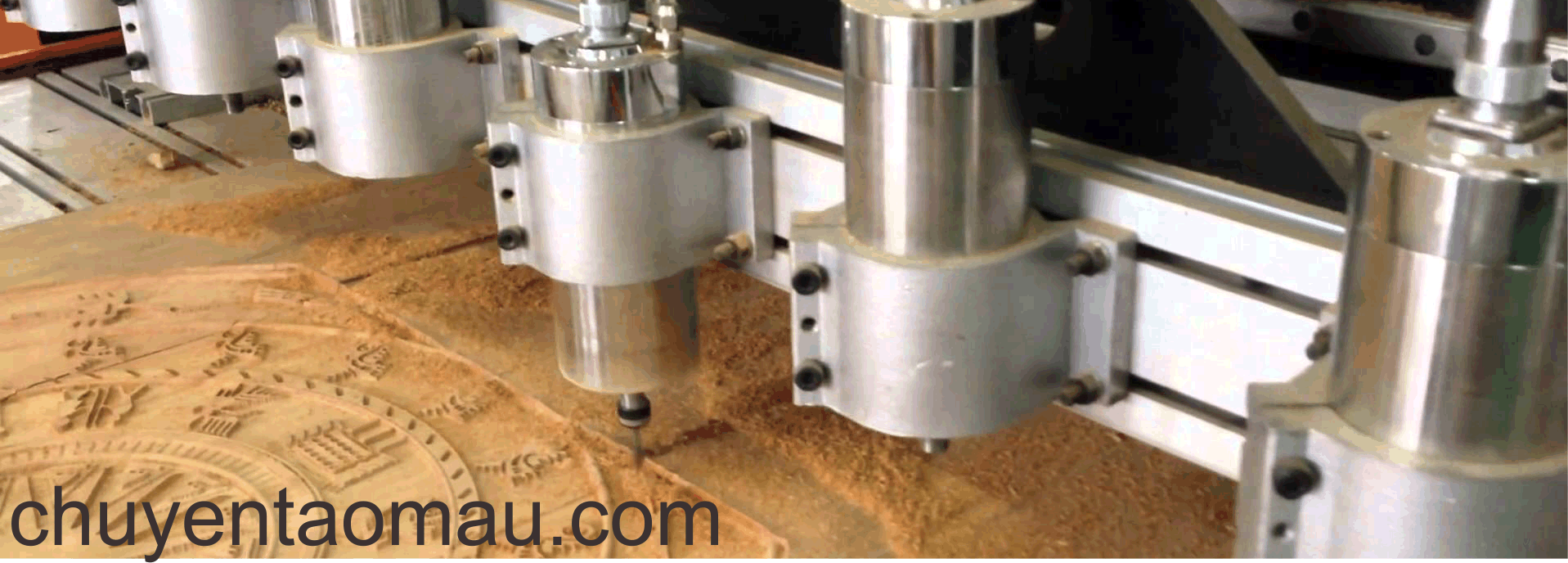
3D Vietnams provides 3D scanning of wood models and mechanical parts, 3D scanning of architectural works, and scanning of sculptures large and small across the country.
- wood machining service / CNC wood machining service / CNC wood machining
- woodworking / CNC wood / laser cutting / laser cutting service
- partition panel machining / wood machining jobs / CNC machining jobs
- CNC wood machining jobs / wood machining shop / CNC machining shop
- CNC wood machining company / CNC machining company / CNC wood workshop
- CNC / CNC wood / 4-axis CNC wood / machining services / CNC wood machining service
- low-cost wood machining service / wood machining / relief carving

3D scanners help the wood industry grow fast
EQUIPMENT AND STAFF
We use the most modern 3D scanning equipment in Vietnam today, with a strong technical team that has years of experience in 3D scanning and reverse engineering. We confidently take on projects anywhere in the country.
|
3D inspection, ultra-precise 3D scanning. |
|
3D scanning of large and very large objects and big architectural works. |
|
3D scanning of wood models and architectural works. |
We also supply other 3D scanners:
- Atos Core 3D scanner – GOM (for 3D inspection, molds and ultra-precise 3D scanning).
- Thor3D handheld 3D scanner (for full-body 3D scanning, large and very large objects, and full-color 3D scanning).
- EinScan Pro 3D scanner (a popular low-cost 3D scanner for wood, also used for molds and mechanical parts)
- EaScan D 3D scanner (for molds and mechanical parts – built for industry)
- Optimscan 3M, 5M 3D scanners (built for industry)
- And other 3D scanners.
| INFORMATION | 3D Vietnams Company – 3D Vietnam |
| Phone | 0975 008 728 |
| Mobile | 0975 008 728 |
| contact@ct3dgroup.com | |
| Address | 7749 Vo Van Ngan, Ho Chi Minh City. |
Contact CT3D Group
CT3D Group – Professional 3D printing, 3D scanning, design and rapid prototyping services nationwide.
- CT3D Thu Duc – Ho Chi Minh City, Hanoi, Hai Phong: in3d.edu.vn – Hotline 0975 008 728 (Mr. Thai)
- CT3D District 6 – Ho Chi Minh City: 3dmaker.vn – Hotline 038 7798308 (Mr. Phuc)
How a 3D scanning project for wood models, statues and buildings works
Whether the object is a small carved detail or an entire building facade, a well-run 3D scanning project usually goes through these steps:
- Define what the data is for: copying for CNC machining, archiving an artifact, restoring a damaged part or surveying as-built conditions. The purpose decides the resolution and the file format to deliver.
- Survey the object: size, color, surface gloss, hidden areas, and site conditions if it has to be scanned on location.
- Pick the equipment and method: a structured-light scanner for small parts that need sharp detail, a handheld or laser scanner for large objects.
- Scan and align the data: scan from many angles, using reference markers when the surface has few features.
- Process and deliver: remove noise, fill holes, make the mesh watertight, then export the files you need.
Choosing a scanning method by object size
| Object | Common method | Notes |
|---|---|---|
| Small wood parts, carved patterns | Structured-light scanner, turntable | Raise resolution in deep carved areas |
| Life-size and large statues | Handheld scanner | Split into scan zones, control alignment error |
| Reliefs, wall panels | Front-side scanning block by block | Keep a steady scan distance for even data |
| Facades, architectural works | Long-range scanner or several devices combined | Depends on weather, lighting and site conditions |
What is 3D scan data used for?
In woodworking and fine arts, scan data lets you copy antique pieces, change scale, mirror or combine patterns before sending them to a CNC machine. For statues and buildings, the 3D model is a long-term archive, a basis for restoration after damage, or a source for 3D printing scale models for display. If you need to digitize wood models, statues or architectural details, see the CT3D Group 3D scanning service for advice on the right scanning method for your purpose.
Frequently asked questions
Do I have to bring a wooden statue to the workshop for 3D scanning?
No. Small pieces that are easy to transport can be sent to the workshop and scanned under stable lighting. Large statues, fixed pieces or buildings are scanned on site with a handheld scanner. Let us know the size and location in advance so we can bring the right equipment.
What file format do I get after 3D scanning?
Usually mesh files such as STL, OBJ or PLY, which work for 3D printing, CNC and visualization. If you need a solid CAD file such as STEP for engineering changes, the scan data has to go through reverse engineering. Agree on the format at the start to avoid extra processing.
Can 3D scanning damage wood surfaces or antique artifacts?
No. A 3D scanner measures with light and never touches the surface. If a surface is very glossy or very dark, the technician may suggest a thin, easy-to-clean powder coat, but for valuable artifacts we usually adjust scan settings instead of using powder.
How long does it take to 3D scan a building?
It depends on the size, the level of detail needed and site conditions, from a few hours to several days. Post-processing such as alignment, cleanup and optimization often takes longer than the scanning itself.
Can 3D scan data go straight into a CNC wood router?
Not right away. The data needs a watertight mesh, correct orientation and size, and then CAM software to generate toolpaths. Reliefs are usually cut on 3 axes, while statues in the round or multi-sided parts need a 4- or 5-axis machine.
Related services at CT3D Group
- 3D scanning service – high-accuracy 3D scanning
- Composite statue production
- CNC wood and relief cutting
- CT3D Group network: ct3dgroup.com · in3d.edu.vn – Hotline/Zalo 0975 008 728

