
 Tiếng Việt


The four most common 3D printing technologies today, FDM, SLA, SLS/MJF and SLM, differ in principle, materials, detail and cost. No single technology is “best” for every case. The right choice depends on what the prototype is for, the surface you need and your budget. This article breaks down each technology and gives you a decision framework to choose quickly.
How does 3D printing work?
3D printing (also called additive manufacturing) builds an object by stacking thin layers of material, based on a 3D file that has been sliced into layers. Unlike subtractive machining (which removes material), 3D printing adds material only where it’s needed, so it handles complex, hollow shapes and internal structures well.
The difference between technologies lies in how the material is solidified: melting plastic filament, curing resin with a laser, sintering powder, or melting metal powder.
FDM: filament 3D printing
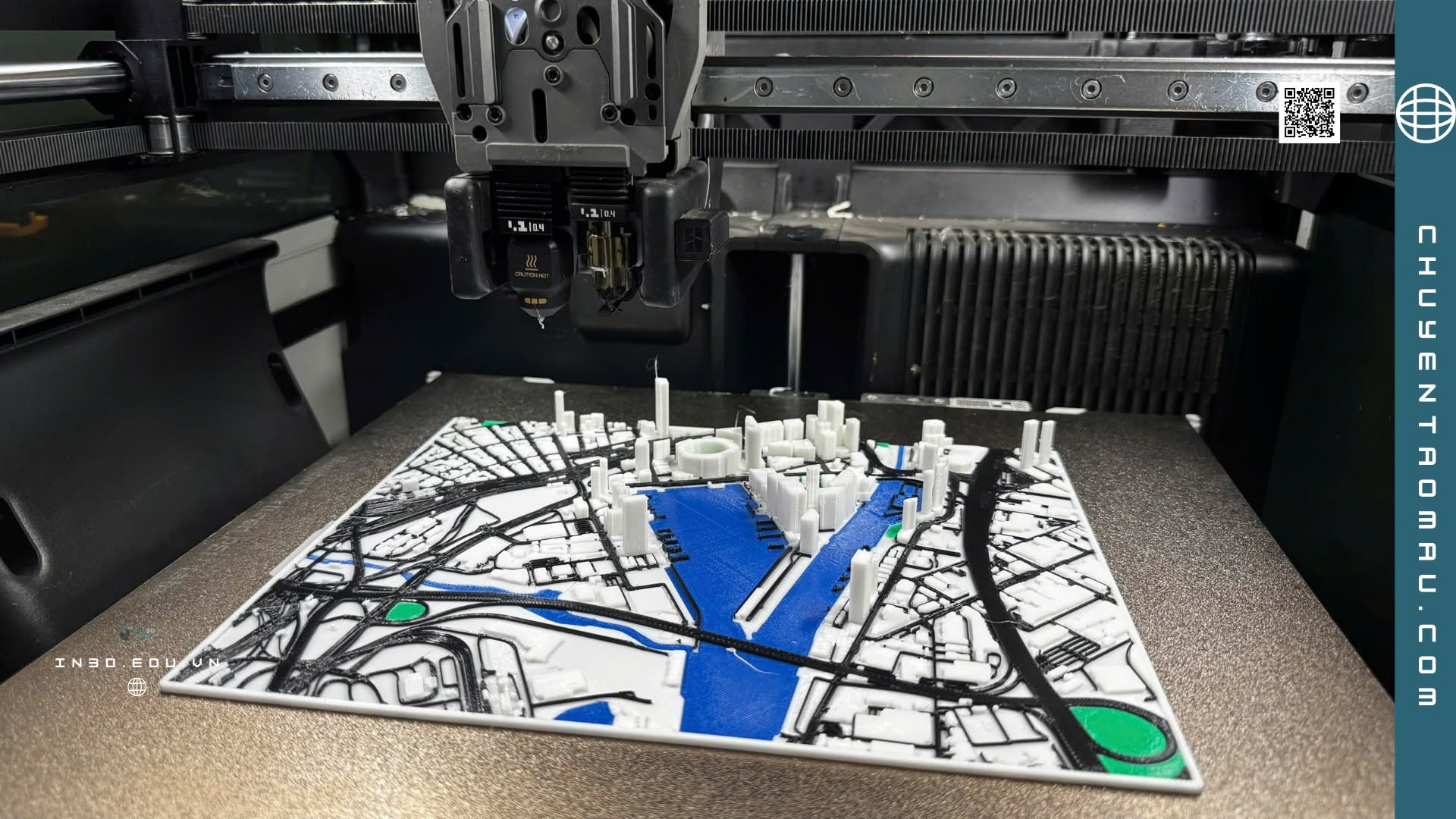
FDM (Fused Deposition Modeling) melts thermoplastic filament (PLA, ABS, PETG, TPU) through an extruder and builds the part layer by layer. It is the most common and most affordable technology.
Pros: low cost, a wide range of materials and colors, can print large parts, good for concept models and fit checks.
Cons: visible layer lines, moderate detail, small features are hard to get sharp.
Use it when: you need a fast, cheap prototype to check overall shape and size.

SLA / DLP: resin 3D printing
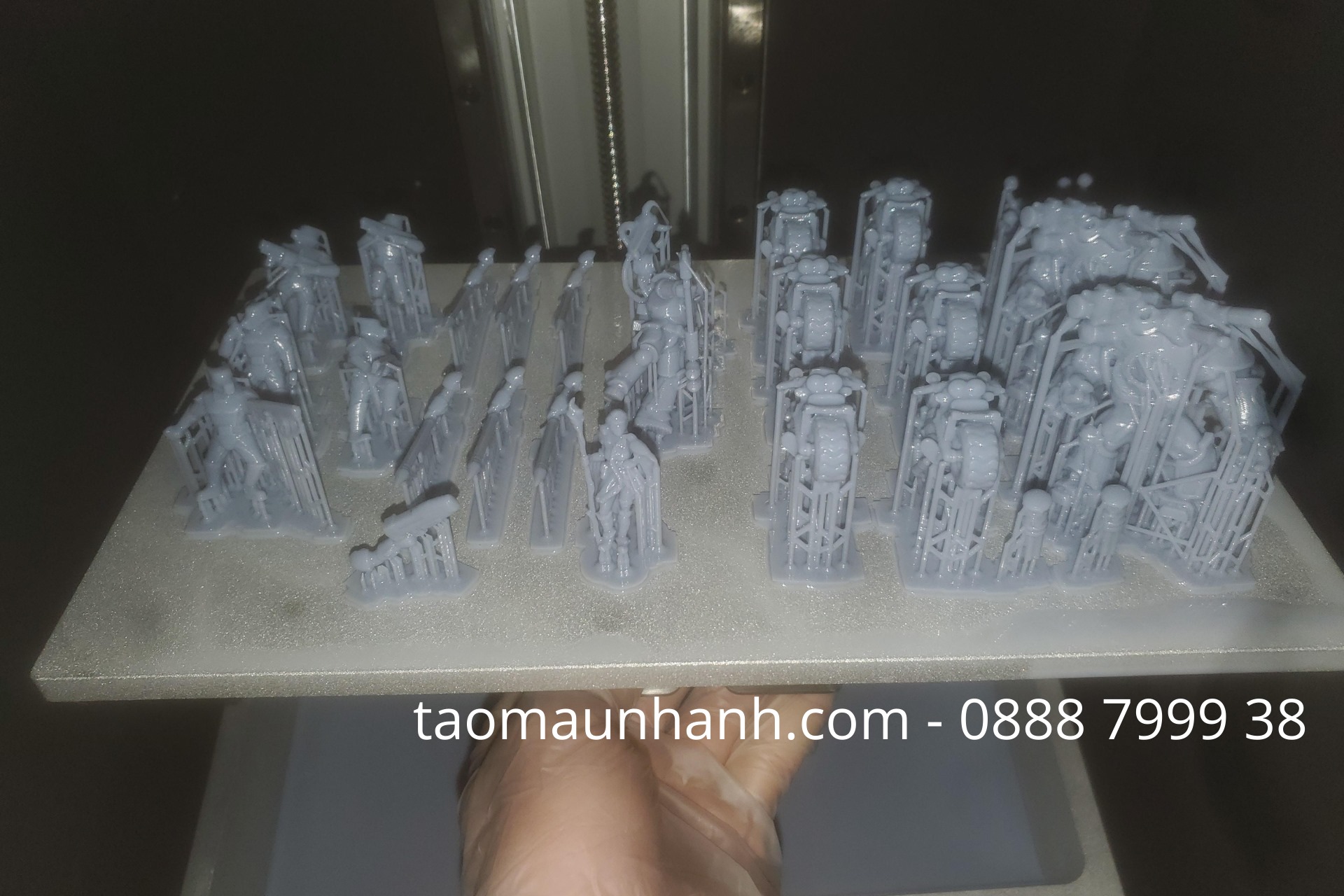
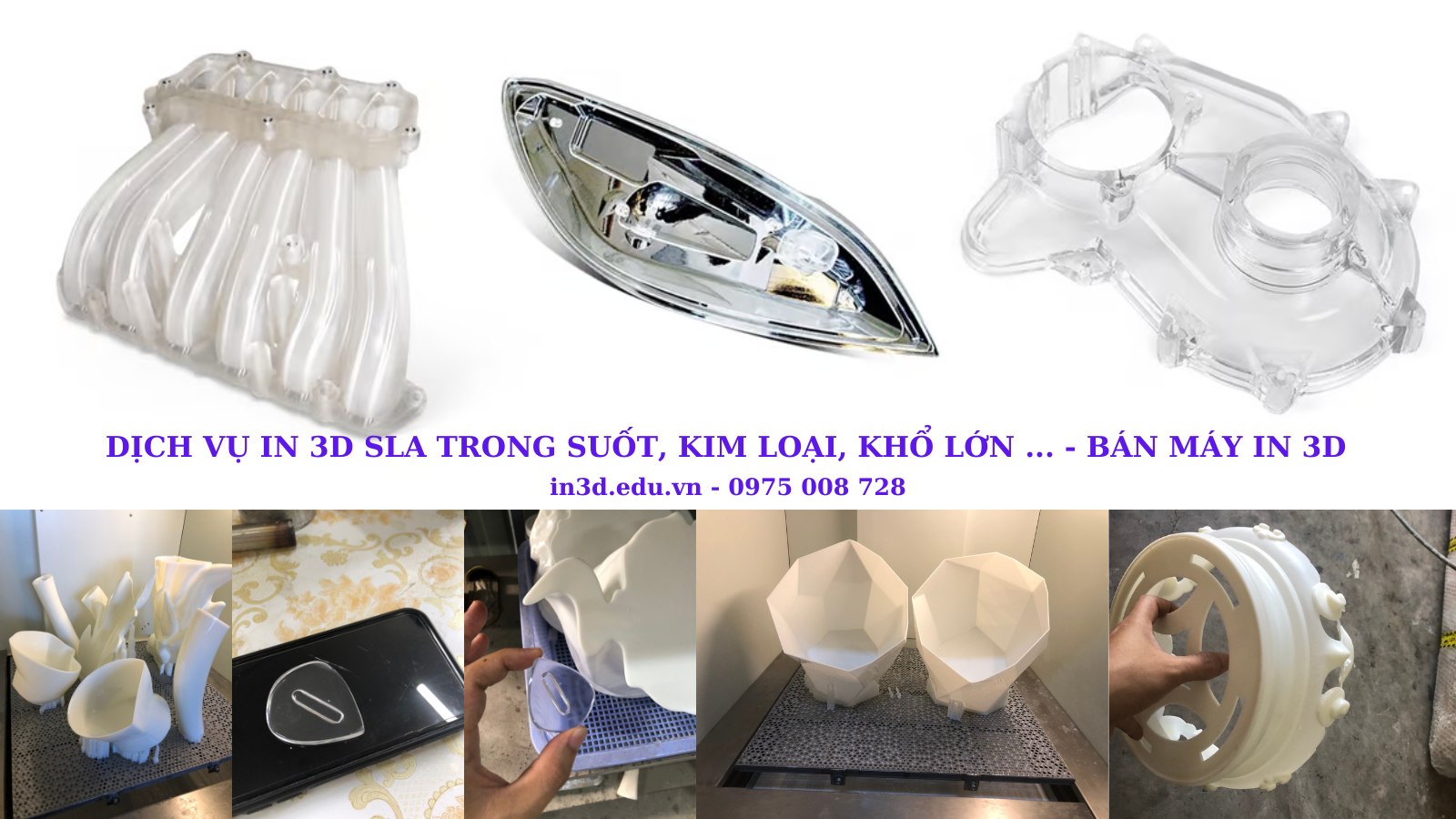
SLA (Stereolithography) and DLP use a laser or projector to cure liquid resin layer by layer. The result is a very smooth surface and the sharpest detail of any plastic technology.
Pros: fine detail, a smooth surface with almost no visible layer lines, clear and engineering resins available.
Cons: resin parts are more brittle, need post-processing (washing, UV curing), and cost more than FDM.
Use it when: you need attractive display models, statues, jewelry, small detailed parts or mold patterns.

SLS / MJF: PA powder 3D printing
SLS (Selective Laser Sintering) and MJF (Multi Jet Fusion) sinter PA (nylon) powder with a laser or a fusing agent and heat. A key feature is that no support structures are needed, because the surrounding powder holds the part.
Pros: strong, flexible parts with good load and heat resistance; can print complex assemblies, hinges and joints.
Cons: slightly rough, grainy surface; costs more than FDM/SLA.
Use it when: you need truly functional load-bearing parts or small production runs. PA12 is the typical material: strong, flexible and heat resistant.

SLM / DMLS: metal 3D printing
SLM (Selective Laser Melting) and DMLS melt metal powder (stainless steel, aluminum, titanium, alloys) with a high-power laser to print solid metal parts directly.
Pros: real metal parts with high mechanical strength and complex geometry that CNC machining struggles with.
Cons: the highest cost; needs heat treatment and finish machining.
Use it when: you need load-bearing mechanical components, automotive parts, or molds with conformal cooling channels. In Vietnam, large-format SLM metal 3D printing capacity is still rare and a strength of only a few suppliers.

Detailed comparison of 3D printing technologies
| Criteria | FDM | SLA/DLP | SLS/MJF | SLM/DMLS |
|---|---|---|---|---|
| Material | Plastic filament | Liquid resin | PA powder | Metal powder |
| Detail | Medium | Very high | High | High |
| Surface | Visible layer lines | Very smooth | Grainy | Needs finish machining |
| Mechanical strength | Medium | Brittle | Very good | Highest |
| Needs supports | Yes | Yes | No | Yes |
| Cost | Low | Medium | High | Very high |
| Use case | Concept | Display | Functional | Mechanical |
Which 3D printing technology should you choose? A quick decision framework
- Just checking shape and size: choose FDM. It’s fast and affordable.
- Need a good-looking model for clients or photos: choose SLA/DLP.
- Need load-bearing parts for real assembly: choose SLS/MJF.
- Need load-bearing metal parts: choose SLM/DMLS.
- Need a very large, low-cost model: consider foam CNC instead of 3D printing.
In practice, many projects combine several technologies across stages to balance cost and quality.

3D printing cost by technology
From lowest to highest cost, the usual order is: FDM < SLA < SLS/MJF < SLM. But the actual cost also depends on size, material volume, complexity and the amount of post-processing. The most accurate way to get a price is to send your 3D file for analysis. See the latest 2025 FDM 3D printing price list and the low-cost PLA 3D printing service for a sense of pricing. You can send a request and get advice on the right technology from CT3D Group’s custom 3D printing service.

Real-world applications of each technology
FDM is often used for architectural models, jigs and fixtures, and concept models. SLA suits jewelry, dental work, statues and detailed models. SLS/MJF is used for engineering parts, joints and functional device housings. SLM is used for aerospace and automotive components, molds and biomedical parts. Understanding each technology’s properties helps you set the right expectations for quality and cost.
Frequently asked questions (FAQ)
Which 3D printing technology is the most affordable?
FDM has the lowest cost of any 3D printing technology and works well for concept models and dimension checks.
Which technology gives the best-looking surface?
SLA/DLP gives the smoothest and sharpest surface of the plastic technologies.
What should I choose for load-bearing parts?
SLS/MJF with PA gives good strength and flexibility. If you need metal, choose SLM.
Is metal 3D printing available in Vietnam?
Yes. Some suppliers have invested in SLM machines to print large, high-precision metal parts locally.
Conclusion
Understanding FDM, SLA, SLS/MJF and SLM helps you pick the right technology, so you don’t pay for things you don’t need or end up with a prototype that misses the mark. If you’re not sure, ask a supplier that offers all the technologies for objective advice. Check out CT3D Group or call 0975.008.728 for help choosing the right technology for your project.

Related articles
- What is rapid prototyping? A guide to technologies, process & choosing a supplier
- Rapid prototyping & 3D printing cost: what drives the price and how to optimize it
- Foam CNC & wood CNC in rapid prototyping: when are they cheaper than 3D printing?
Contact CT3D Group
CT3D Group – professional 3D printing, 3D scanning, design and rapid prototyping services nationwide.
- CT3D Thu Duc – Ho Chi Minh City, Hanoi, Hai Phong: in3d.edu.vn – Hotline 0975 008 728 (Mr. Thai)
- CT3D District 6 – Ho Chi Minh City: 3dmaker.vn – Hotline 038 7798308 (Mr. Phuc)
See also: what is 3D printing technology by CT3D Group for detailed advice.
Related services at CT3D Group
- SLM metal 3D printing service
- Large-format SLA resin 3D printing
- MJF PA12 3D printing
- CT3D Group network: ct3dgroup.com · in3d.edu.vn – Hotline/Zalo 0975 008 728

