
 Tiếng Việt


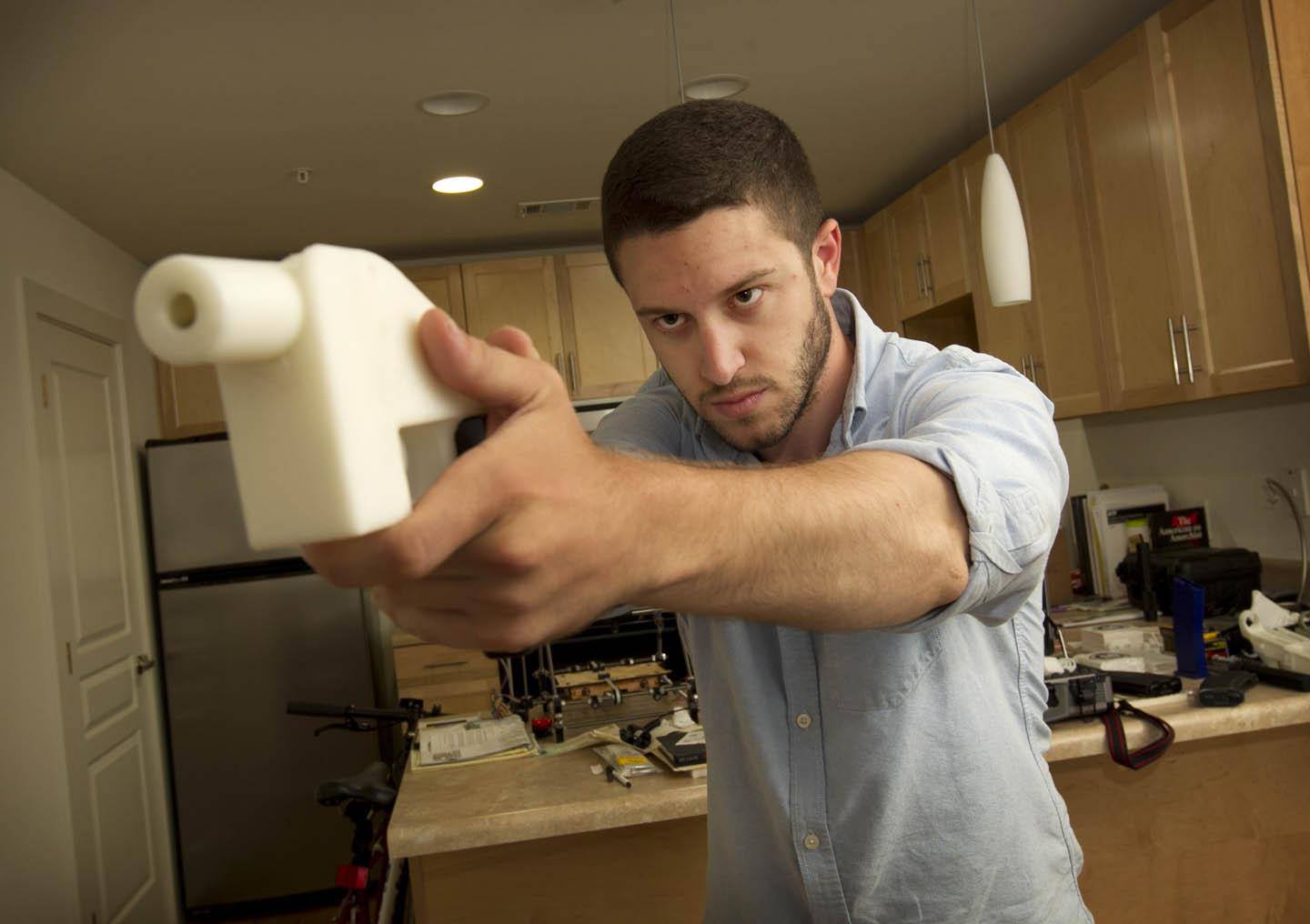
The 3D printer is a hidden and worrying “weapon.” It does great things for people in healthcare, industry, education and more, but the fact that it can be used to make weapons is the biggest concern today.
The data for 3D printers is already out there.
3D printing files for guns (.STL or .OBJ) are available on websites and 3D printer forums. Getting the input data for a 3D printer is far too easy. Here are some example images.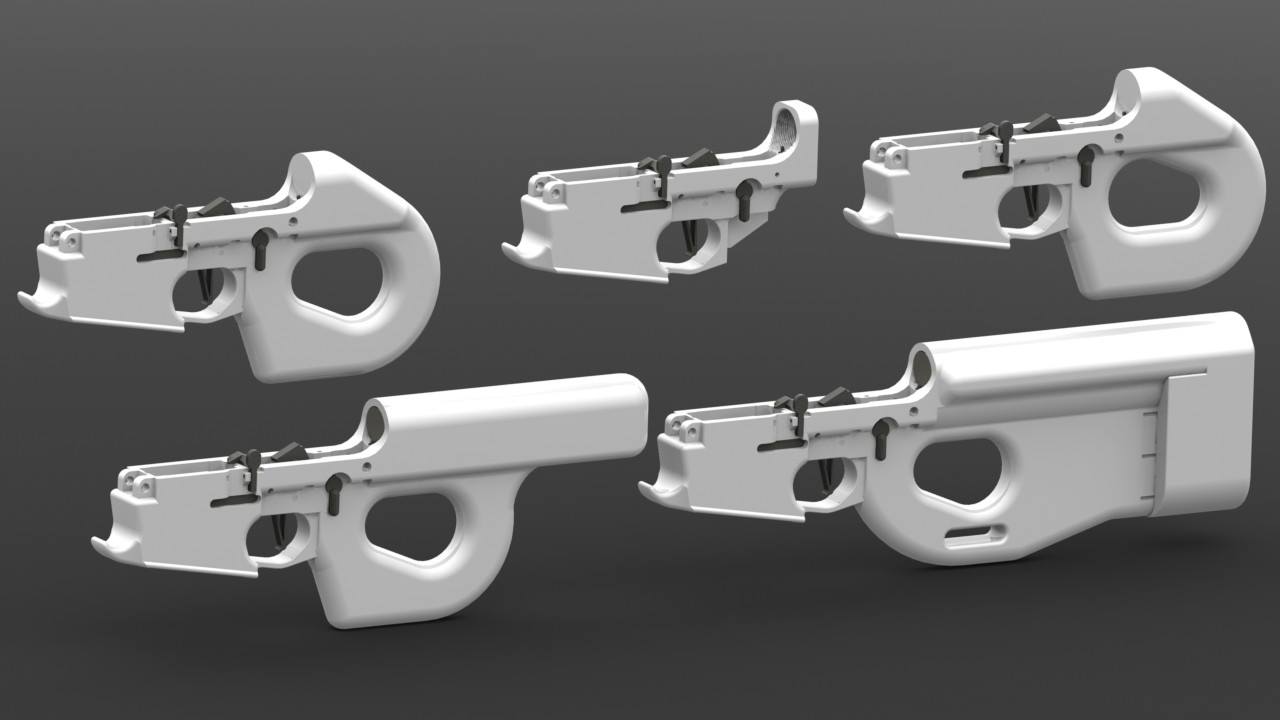
A ready-made gun design posted on a 3D printing forum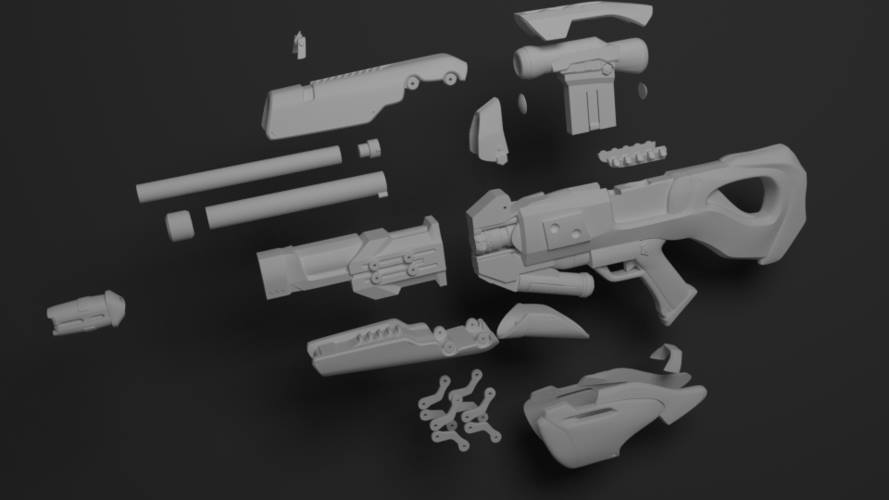
A ready-made gun design posted on a 3D printing forum
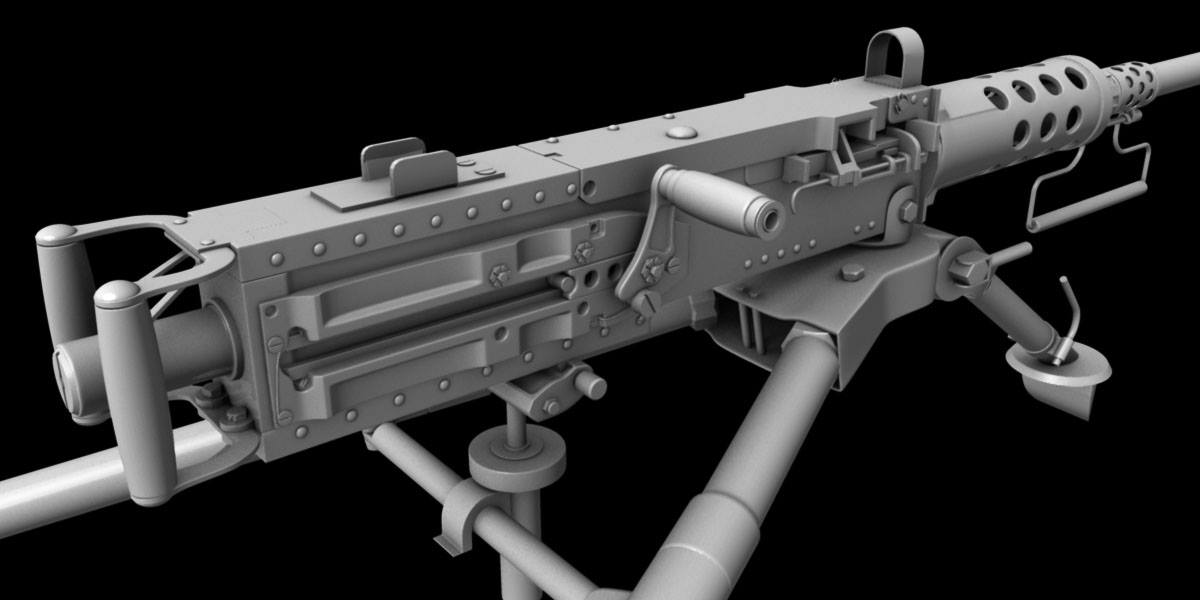
A ready-made gun design posted on a 3D printing forum
3D printers make plastic guns.
To make it more concrete, take a look at these plastic 3D printed parts that “makers” around the world have shared on 3D printing forums.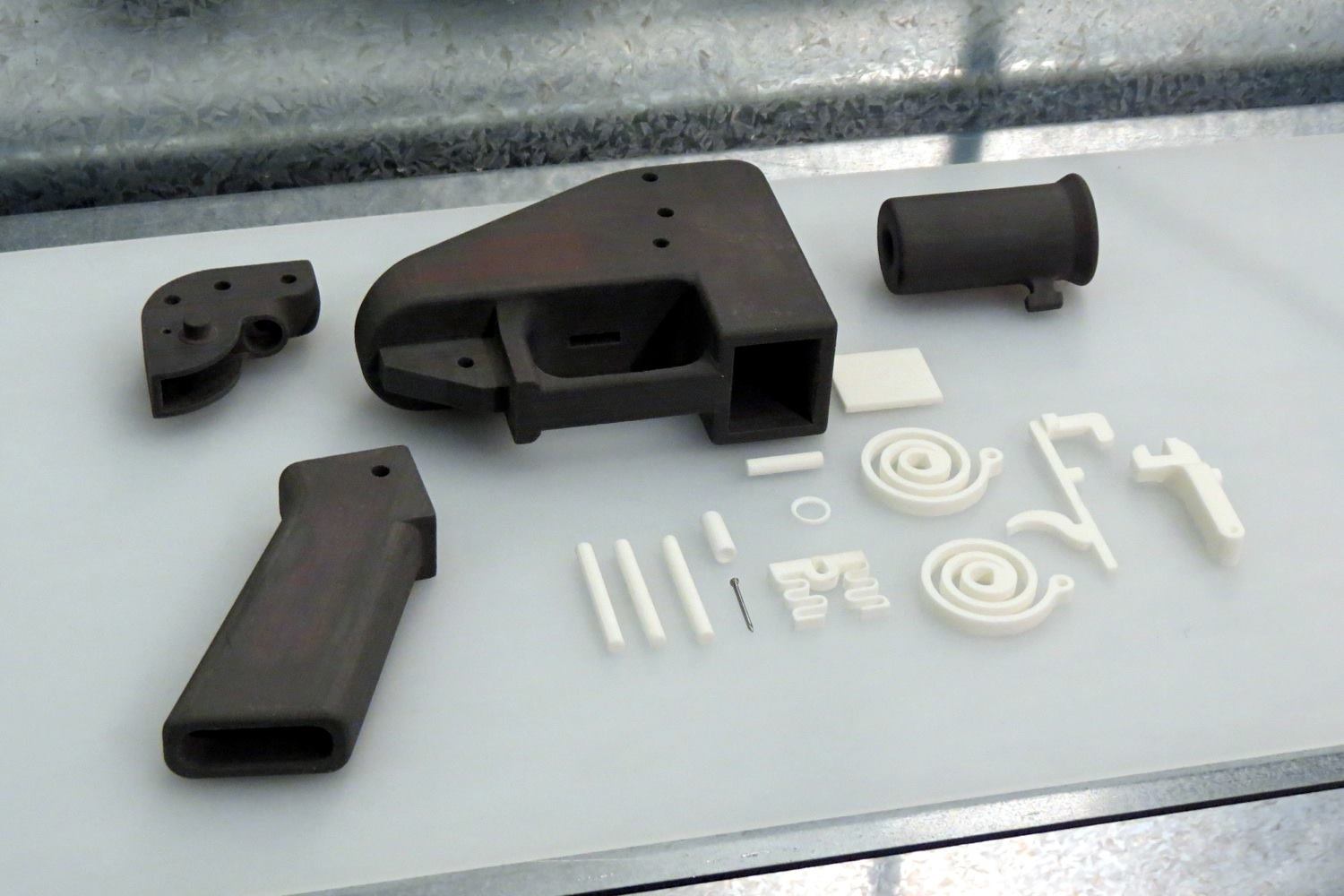 A man in the US shared this photo. Every part of the gun was made entirely by 3D printing. It might only fire one or two shots before it breaks. But it is a real warning of a real danger.
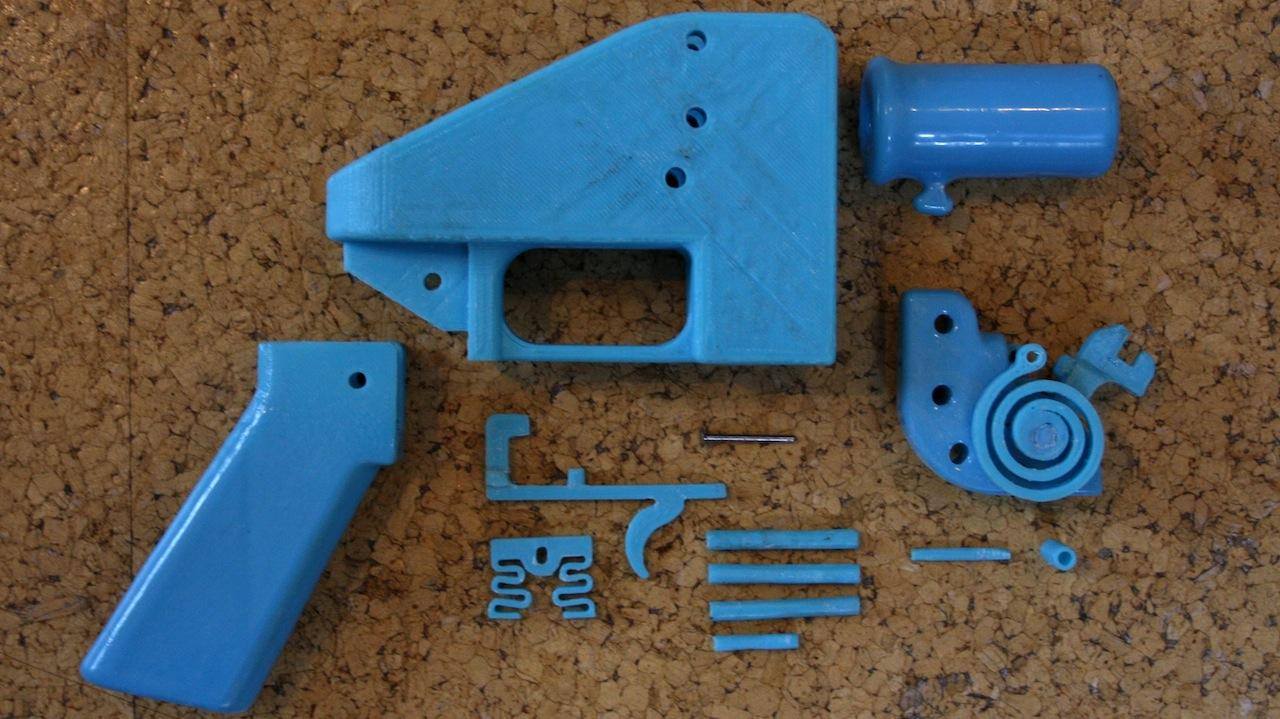 Another man in Germany shared this image too. Once assembled, this could be a “formidable” product.
 Another gun that was 3D printed and fully assembled. Give it a plastic bullet and it will show you what it can do.
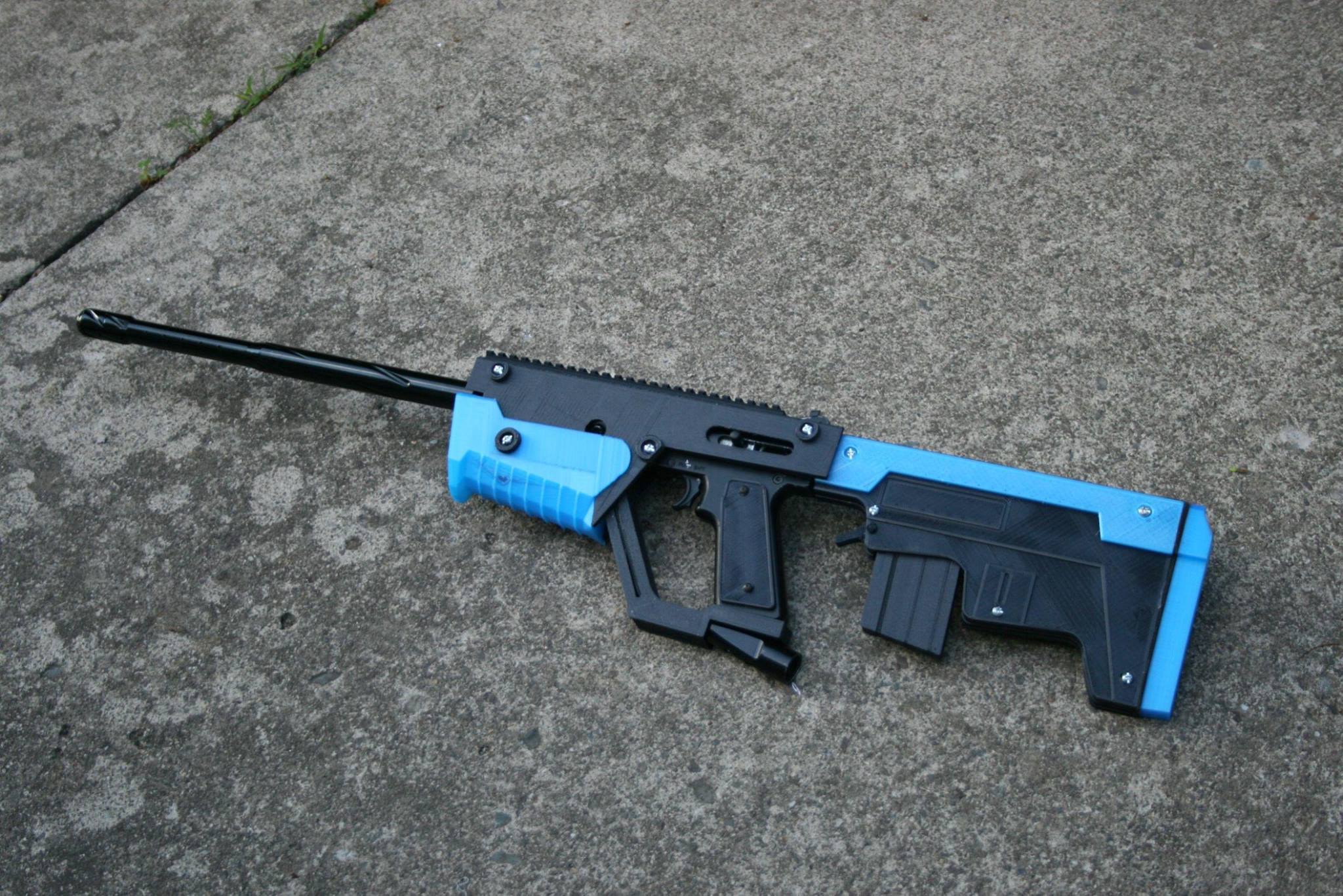
A carefully 3D printed gun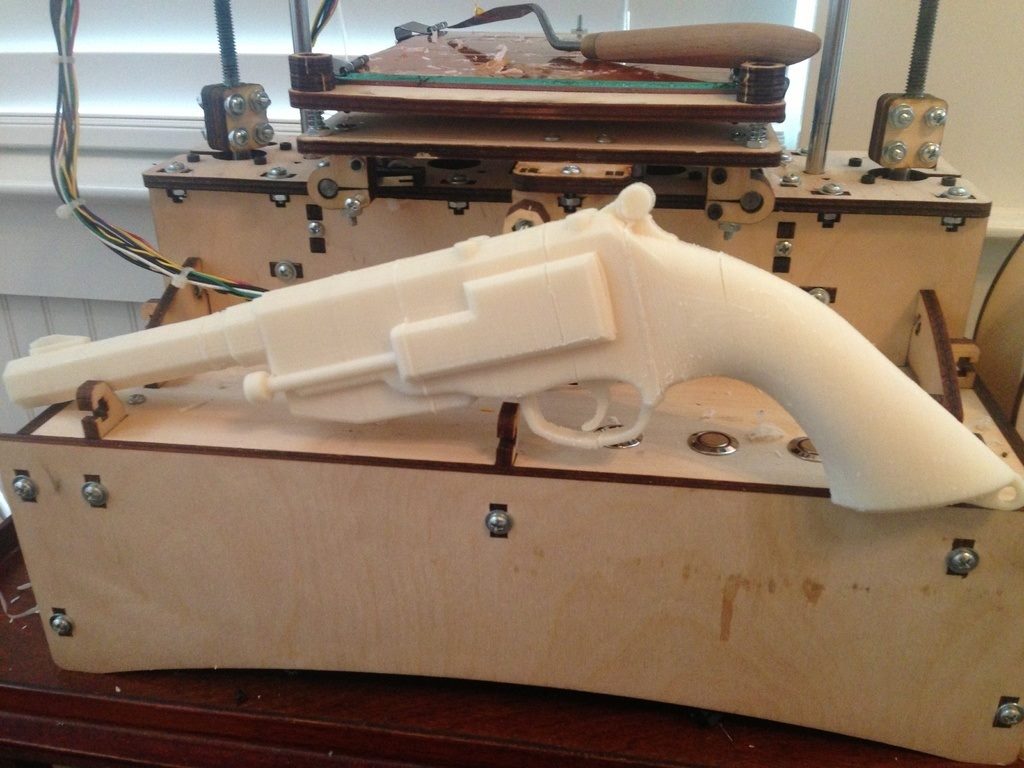
More 3D printed products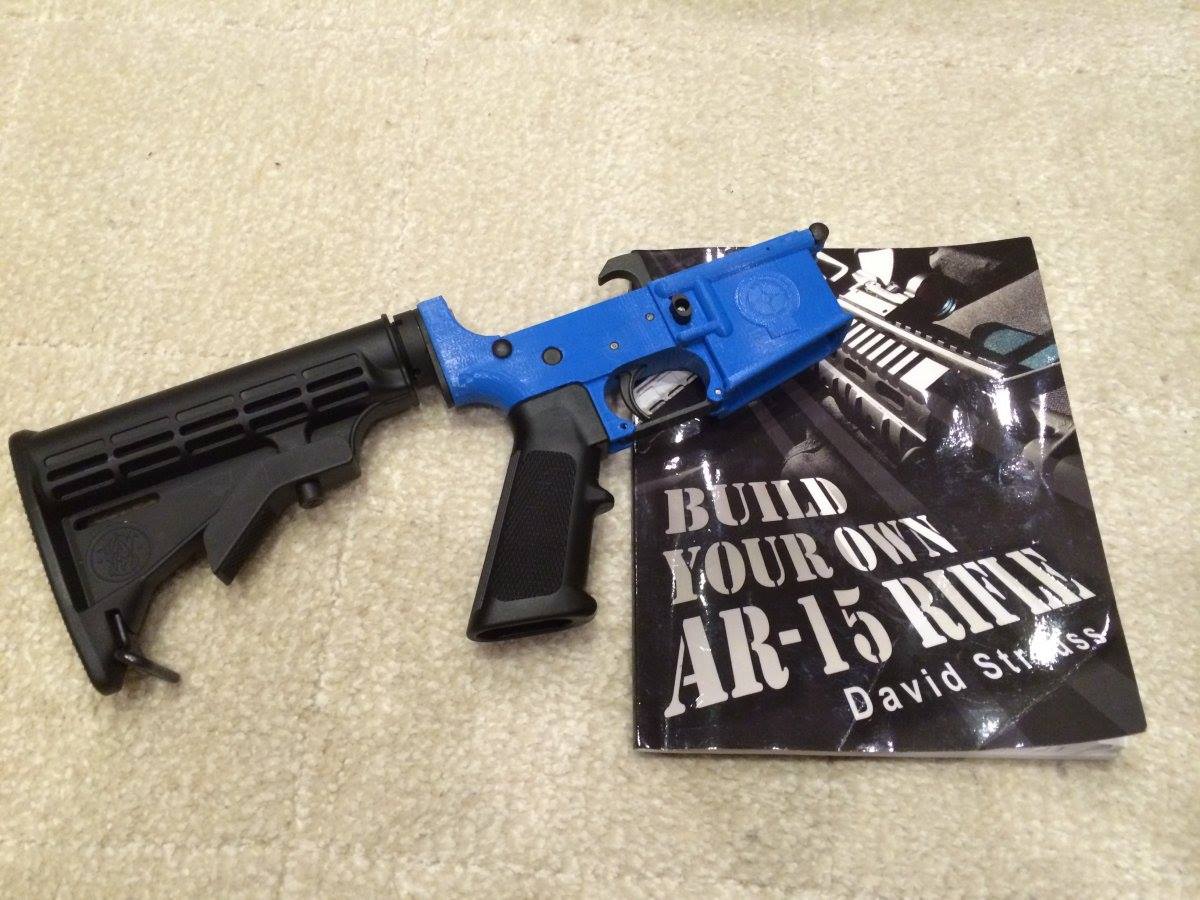
More 3D printed products 
More 3D printed weapon products
Metal 3D printers.
 Metal 3D printers have practical uses in industry, but they are also a military security concern.
 A complete set of parts made by metal 3D printing.
Contact us now: 0975 008 728 (Nguyen Van Cuong)
For direct advice on 3D printing and 3D scanning technology.
Contact CT3D Group
CT3D Group – Professional 3D printing, 3D scanning, design and rapid prototyping services nationwide.
- CT3D Thu Duc – Ho Chi Minh City, Hanoi, Hai Phong: in3d.edu.vn – Hotline 0975 008 728 (Mr. Thai)
- CT3D District 6 – Ho Chi Minh City: 3dmaker.vn – Hotline 038 7798308 (Mr. Phuc)
Using 3D printers responsibly
Like any manufacturing technology, a 3D printer is a neutral tool. Its value or risk depends on the person using it. Concerns about printing weapons are well founded, but they need to be seen clearly: in Vietnam, illegally making, possessing or using weapons is strictly prohibited and severely punished by law, no matter how the weapon was made. Individuals and businesses that own 3D printers need to understand the legal and ethical limits when running their machines.
- Do not print, store or share design files for weapons or weapon parts.
- 3D printing service providers should have a process for checking incoming files and refuse any request that looks like it is for making prohibited items.
- Schools, labs and makerspaces should have machine use rules and keep records of users and what they print.
- Respect copyright: do not print copies of protected products, characters or designs without permission.
Safety risks that often get overlooked
Beyond weapons, the real risks everyday 3D printer users face usually come from running the machine itself. The nozzle and heated bed run at high temperatures. They can cause burns, or a fire risk if the machine is poorly made, has loose wiring, or the firmware has no thermal runaway protection. Some plastics give off fumes and ultrafine particles when melted, so put the printer in a well-ventilated area. With resin printers, uncured liquid resin can irritate the skin, so wear gloves and glasses when handling it.
Most importantly, plastic 3D printed parts should not be used for pressure-bearing, safety-critical load-bearing or life-related applications unless they have been properly designed, tested and certified.
The positive side: 3D printing for production and everyday life
On the other hand, 3D printing delivers clear value: medical models that support surgery, custom prosthetics, product prototypes for businesses, architectural models, educational toys and artifact restoration. If you need this technology for legitimate production, see our custom 3D printing service for advice on the right materials and technology.
Frequently asked questions
Is 3D printing weapons illegal in Vietnam?
Yes. Vietnamese law strictly prohibits illegally making, possessing, trading and using weapons, regardless of the method or material used to make them. Violators can face administrative fines or criminal prosecution.
Do 3D printing services check the files customers send?
Professional print shops usually review files before quoting and have the right to refuse requests that look like they are for making prohibited items or that infringe copyright. This is a necessary responsibility of the service provider.
Can home 3D printers catch fire or explode?
The risk is low if the printer is well made, has thermal runaway protection and is set up correctly. Do not leave a printer running unattended for long periods, especially a self-assembled or recently repaired one.
Can plastic 3D printed parts be used for safety-critical load-bearing parts?
Not unless they have been properly designed and tested. FDM printed parts are not equally strong in every direction because of the layer lines, so safety-related applications need specialized materials, technology and certification.
Related services at CT3D Group
- Custom 3D printing service
- High-accuracy 3D scanning service
- Custom 3D design service
- CT3D Group network: ct3dgroup.com · in3d.edu.vn – Hotline/Zalo 0975 008 728

