
 Tiếng Việt



The SLA 3D printer is one of the fastest rapid prototyping machines available today. It uses UV light beams to cure liquid resin into thin, hard layers. The key advantages of SLA 3D printing are high speed, the ability to print large and very large parts, and a very smooth surface finish.
3D printing software.
 SLA 3D printing software lets you arrange many parts in a single print job, which saves a lot of time compared with conventional 3D printing methods.
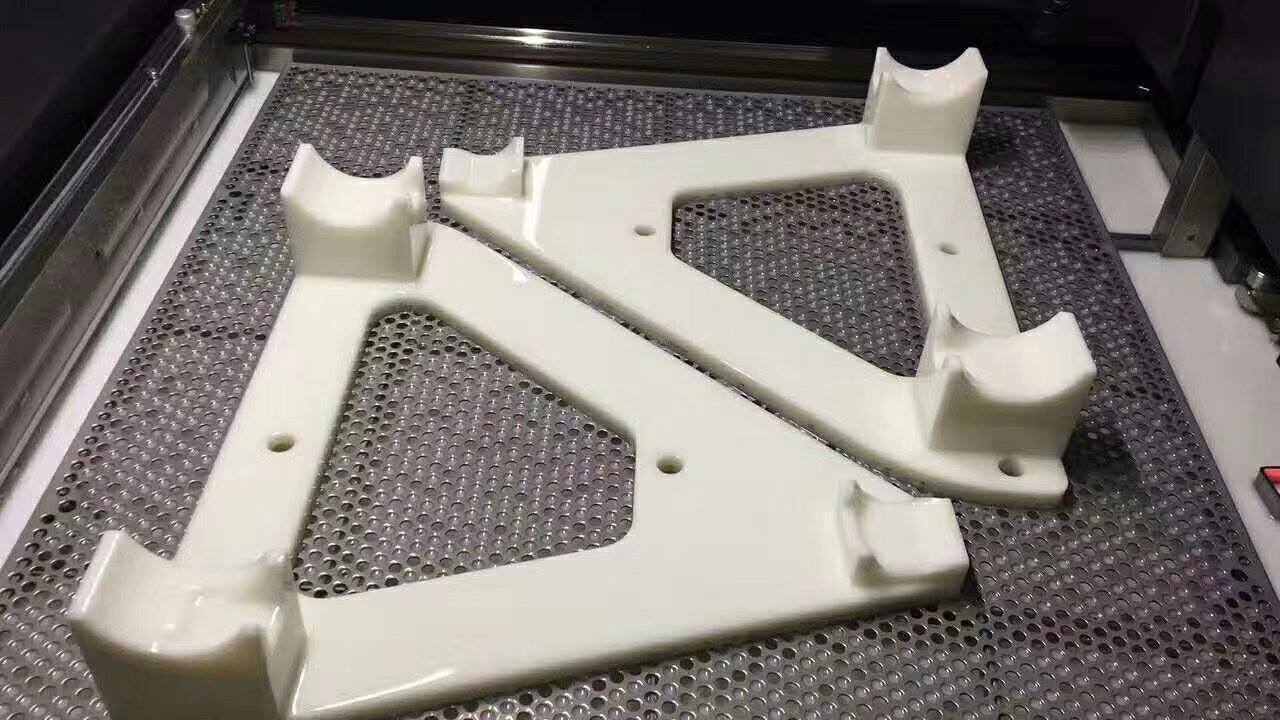
Parts printed on an SLA 3D printer
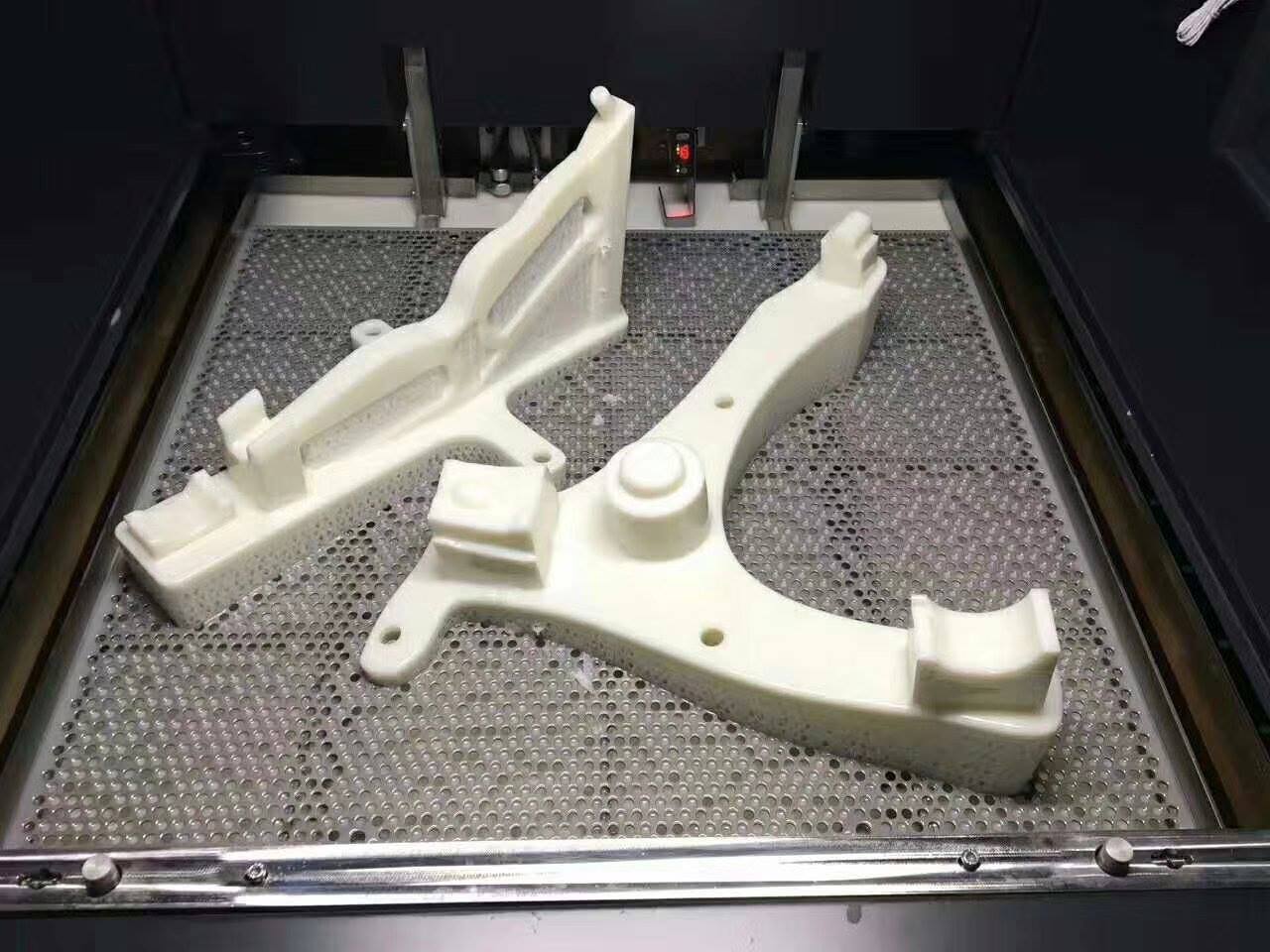
Parts printed on an SLA 3D printer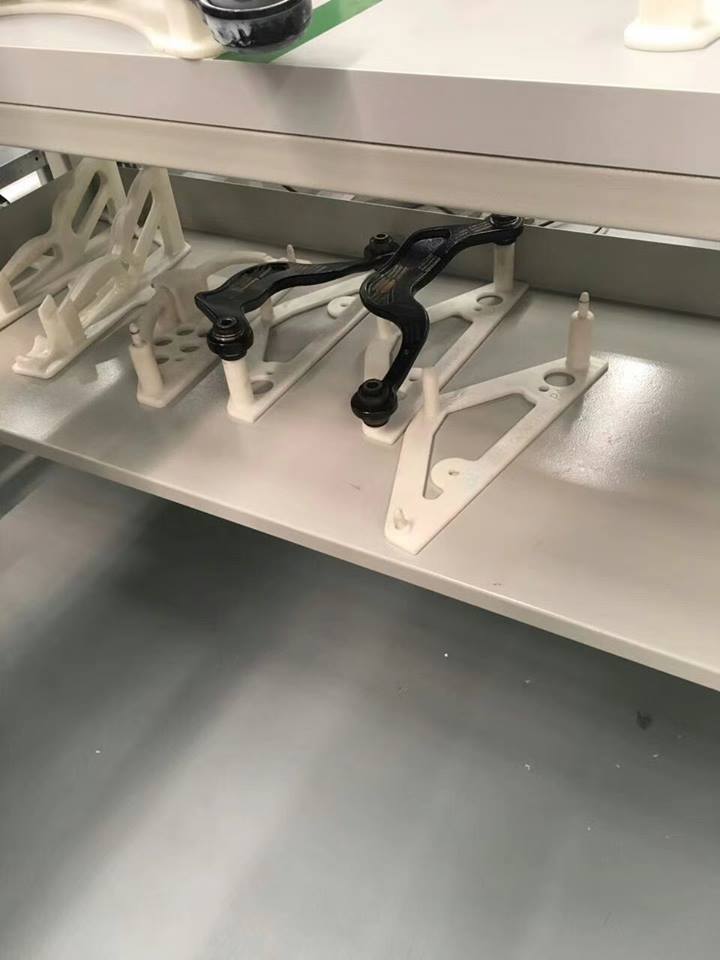
Parts printed on an SLA 3D printer 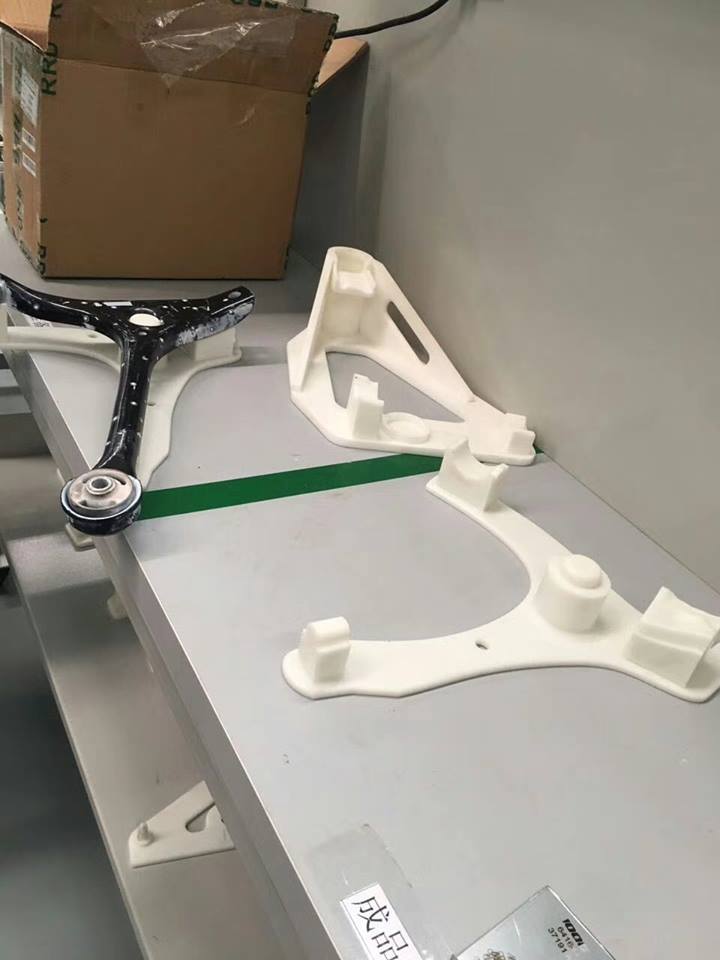
SLA 3D printed parts.
Besides rapid prototyping, SLA 3D printing can also produce end-use parts. If you are interested in the equipment, please contact us. We will recommend a suitable model at a reasonable price. We also offer 3D scanning services, 3D digitizing services and 3D printing services.
Nguyen Van Cuong.
Contact CT3D Group
CT3D Group – professional 3D printing, 3D scanning, design and rapid prototyping services nationwide.
- CT3D Thu Duc – Ho Chi Minh City, Hanoi, Hai Phong: in3d.edu.vn – Hotline 0975 008 728 (Mr. Thai)
- CT3D District 6 – Ho Chi Minh City: 3dmaker.vn – Hotline 038 7798308 (Mr. Phuc)
The SLA 3D printing workflow, from file to finished part
A good SLA part depends not only on the printer but also on proper preparation and post-processing. The basic workflow usually includes:
- File preparation: make sure the STL file is watertight with enough wall thickness. Hollow out bulky parts and add drain holes to save material and reduce distortion.
- Orientation and supports: rotate the part to reduce the area of each layer, keep critical surfaces away from supports, and arrange several parts on one build plate.
- Printing: the machine projects UV light to cure each layer of liquid resin to the part’s cross-section.
- Washing: soak and rinse the part in a suitable solvent to remove uncured resin.
- UV post-cure: extra UV exposure brings the part to its full hardness and stable mechanical properties.
- Finishing: remove supports, sand the support marks, then prime, paint or polish as required.
Common SLA resin types
Engineers choose a resin based on what the part needs to do. The table below sums up the common groups:
| Resin group | Properties | Applications |
|---|---|---|
| Standard | Smooth surface, easy to finish, fairly brittle | Appearance models, display models |
| Tough engineering (ABS-like) | Better impact resistance, less likely to crack during assembly | Functional prototypes, housings, test assemblies |
| Clear | Can be polished to high transparency | Lamp covers, flow visualization models |
| High-temperature | Holds its shape at higher temperatures | Test parts near heat sources, prototype molds |
| Castable | Burns out cleanly | Jewelry casting patterns, precision metal casting |
A big advantage of SLA is that many parts can be printed in one batch, so it suits both prototyping and small-batch production. For large parts such as shoe models, machine housings or architectural models, see our large-format SLA 3D printing service for advice on materials and finishing options.
Frequently asked questions
How is SLA 3D printing different from FDM?
SLA uses UV light to cure liquid resin, so the surface is smoother and details are sharper. FDM extrudes melted plastic filament, so layer lines are more visible. On the other hand, FDM costs less and offers a wider range of materials for rough or large parts.
Do SLA parts become brittle or change color?
Standard resin is fairly brittle and can yellow slightly after long exposure to sunlight. You can avoid this by choosing a tougher engineering resin and applying a UV-protective coating to display pieces.
Is liquid resin toxic?
Uncured resin can irritate skin and has an unpleasant smell, so wear gloves and work in a well-ventilated area. Once fully cured and post-cured with UV, the part is safe for normal handling.
Can SLA parts be used as master patterns for molds?
Yes, and this is a very common use. Thanks to their smooth surface, finished SLA parts are often used as master patterns for silicone molds, resin casting or composite molding.
Related services at CT3D Group
- Large-format SLA resin 3D printing
- On-demand 3D printing service
- High-accuracy 3D scanning service
- CT3D Group network: ct3dgroup.com · in3d.edu.vn – Hotline/Zalo 0975 008 728

