
 Tiếng Việt



Metal casting pattern service: bronze casting patterns and composite casting. We make metal casting patterns, bronze and aluminum casting patterns, and composite casting patterns, using today’s fast scaling technology.
Metal casting patterns:
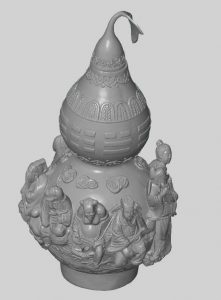
We use 3D scanning to capture the original object. The data matches the original 100%, from overall size down to the fine details.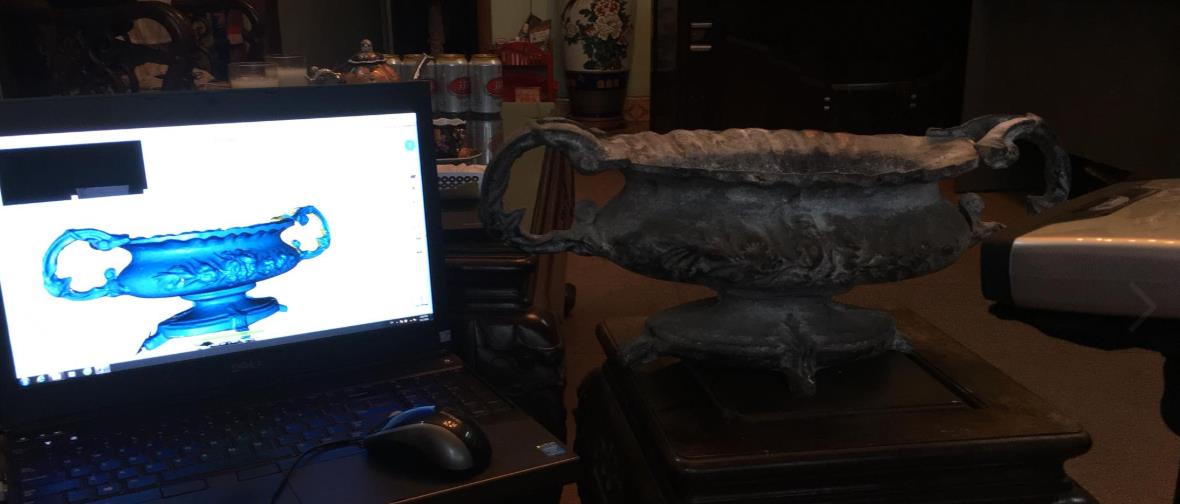 The 3D scan data can be edited to the customer’s needs. Or we can leave the details as they are and simply scale the data up or down to make the casting pattern.
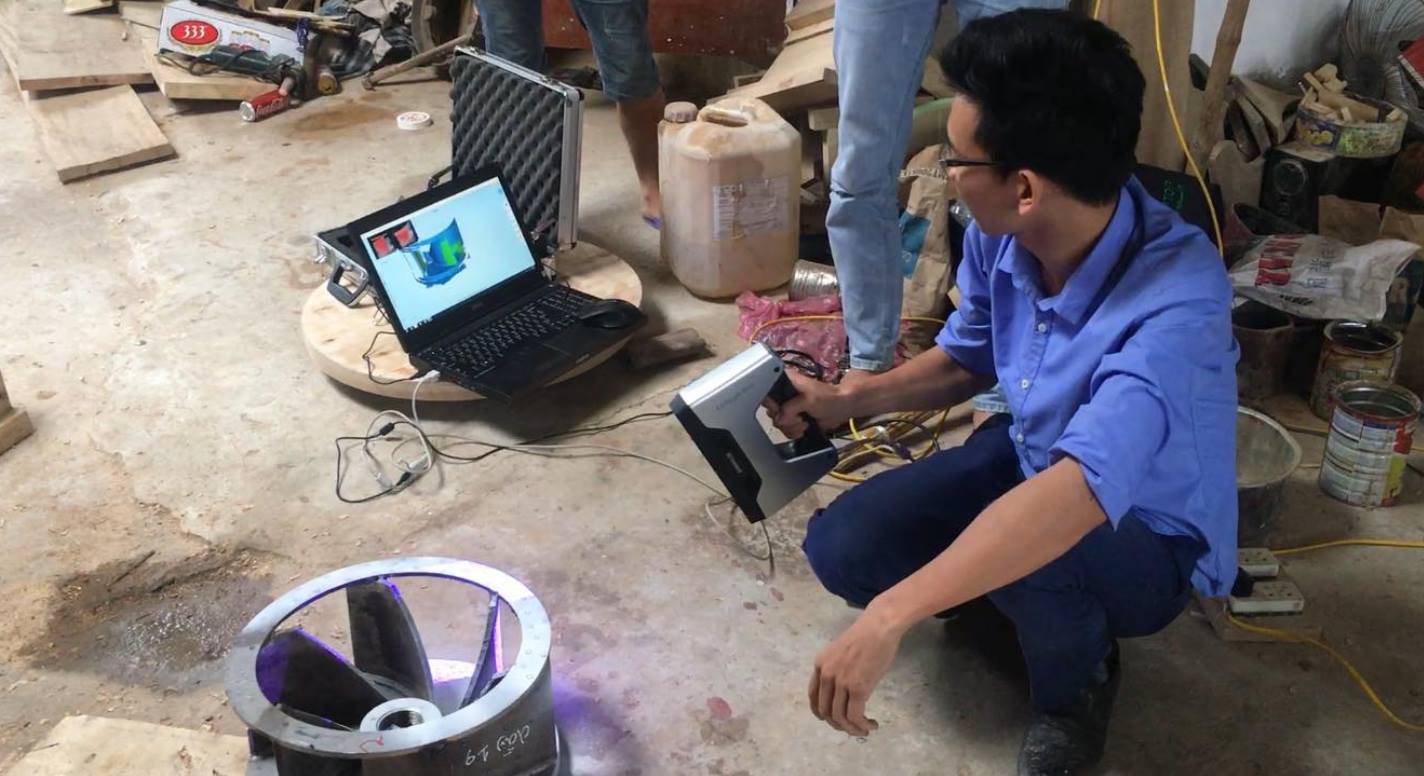 The new technology has no limits on how large or small the product can be.
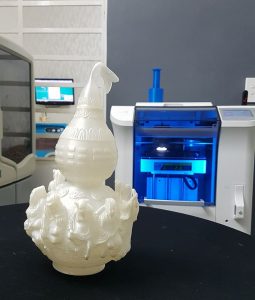
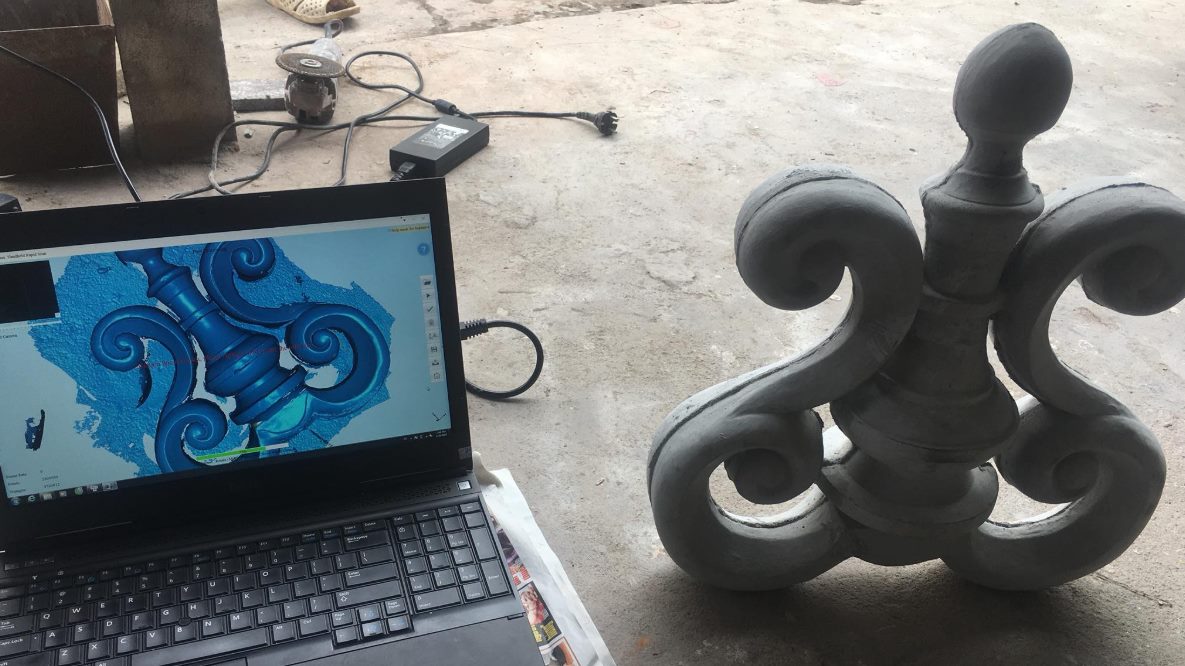 We use 3D printing or CNC machining to make the casting pattern. Depending on the case and the casting requirements, we choose a different approach:
- Foam casting patterns.
- Wood casting patterns.
- Aluminum casting patterns.
- Plastic casting patterns.
- Wax casting patterns.
- Plaster casting patterns.
 |
 |
 |
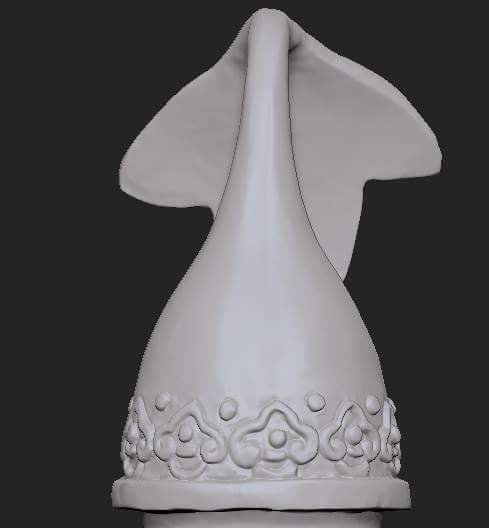 |

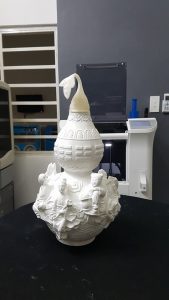
A 1-meter-tall metal casting pattern:
TECHNICAL SUPPORT – HO CHI MINH CITY
Phone: 0975 008 728
TECHNICAL SUPPORT – HANOI
Phone: 0975 008 728
We also have partners in Hue, Nam Dinh, Hai Phong, Hung Yen, Hai Duong and more. Please contact our head office in Ho Chi Minh City for a referral.
Contact CT3D Group
CT3D Group – professional 3D printing, 3D scanning, 3D design and rapid prototyping services nationwide.
- CT3D Thu Duc – Ho Chi Minh City, Hanoi, Hai Phong: in3d.edu.vn – Hotline 0975 008 728 (Mr. Thai)
- CT3D District 6 – Ho Chi Minh City: 3dmaker.vn – Hotline 038 7798308 (Mr. Phuc)
Choosing the right pattern material for each casting method
The casting pattern is the “master” that sets the shape and surface quality of the cast part. Each metal casting or composite casting method works best with a different pattern material, so you should decide on the casting method before making the pattern.
| Pattern material | How it is made | Typical use | Notes |
|---|---|---|---|
| Foam (EPS) | CNC foam cutting, hot wire cutting | Lost foam casting, statues and large parts | Light and cheap, but the surface needs careful finishing |
| Wood | CNC wood machining, handwork | Traditional sand casting, reusable | Needs draft angles and a moisture-resistant coating |
| 3D printed plastic | FDM, SLA printing | Master patterns for silicone molds and sand molds | Sand and prime the surface if a smooth finish is required |
| Wax, castable resin | Castable resin 3D printing, wax molds | Investment casting (precision casting), jewelry, small parts | Must burn out cleanly with little ash when the mold is fired |
| Plaster | Mold casting, hand carving | Sculpture models, intermediate patterns | Brittle, edges chip easily during transport |
Scaling casting patterns with 3D data: what you need to know
Scaling up or down in digital data is much faster and more accurate than sculpting by hand, but it is not just a matter of multiplying by a ratio. A few technical points to consider:
- Casting shrinkage: metal shrinks as it cools, so the pattern is usually scaled up by an extra shrinkage allowance that depends on the metal.
- Wall thickness: when you scale up, the walls get thicker in proportion. The pattern may need to be hollowed or adjusted to save material and reduce weight.
- Small details: when you scale down, fine carved lines can become too thin to cast. They need to be thickened or simplified.
- Splitting: a large pattern that is bigger than the printer or CNC machine is split into several parts with joints, then assembled.
From casting pattern to finished composite product
For composite products, the process is usually: 3D scan or design the model, make the master pattern by 3D printing or CNC foam cutting, finish the pattern surface, make the mold (silicone or composite), cast the product, then paint and finish it. The quality of the master pattern directly affects every part cast from it later, so sanding and touching up the master must be done carefully. If you need to reproduce statues, logos or large decorative pieces, see our composite statue production service from scaled patterns.
Frequently asked questions
Can a 3D printed pattern be used directly for metal casting?
Yes, depending on the casting method. For investment casting, you can print with a special castable resin that burns out cleanly, or with wax. For sand casting, the 3D printed plastic pattern is usually used as a master to make the sand mold or an intermediate mold.
Does scaling a pattern lose detail compared with the original?
If the 3D scan data has enough resolution, scaling up usually keeps the shape and proportions of the details. However, small carved lines may need touching up to stay sharp when enlarged, and thin details need thickening when reduced.
Should I make the casting pattern from foam or by 3D printing?
CNC foam patterns suit large products that need to be made quickly and cheaply. 3D printed patterns give a more accurate surface and details, and suit small to medium products or work that needs fine detail.
What do I need to provide to order a scaled casting pattern?
Provide the physical object or a 3D file, the target size, the planned casting material and the number of parts. Information on the casting method helps the technician choose the right pattern material and shrinkage allowance.
Related services at CT3D Group
- SLM metal 3D printing service
- Silicone molds and vacuum casting
- Composite statue production
- CT3D Group network: ct3dgroup.com · in3d.edu.vn – Hotline/Zalo 0975 008 728

